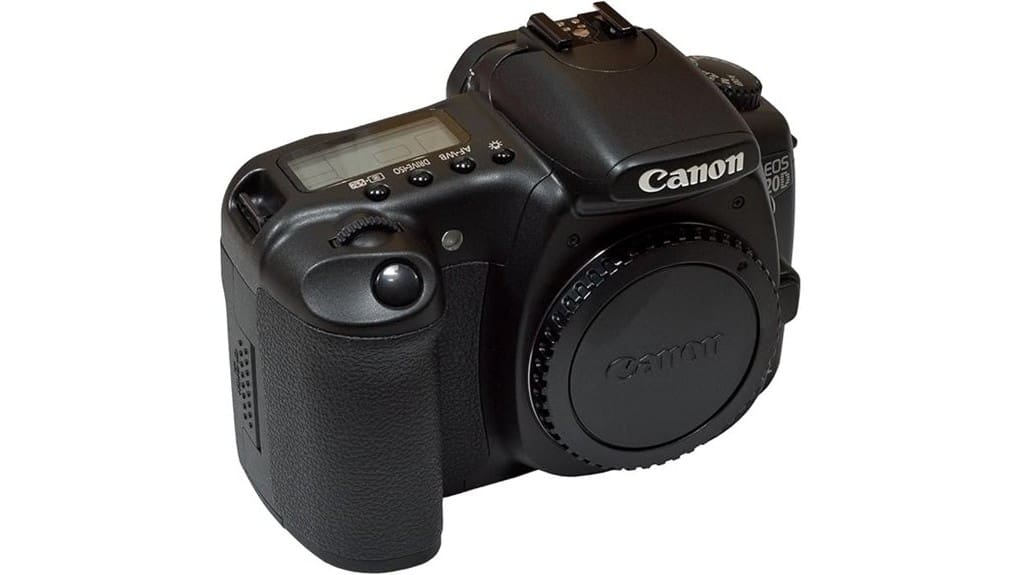
The Canon EOS 20D still takes solid photos and gives you flexible RAW files, but it’s not the best buy for most shooters today. You’ll get an 8.2MP APS‑C sensor, decent-era AF, CompactFlash storage, and a short battery life that forces extra spares. Noise rises past ISO 400 and workflow is slower than modern bodies, yet it’s cheap, tactile, and great for learning or collecting — keep going and you’ll find detailed pros, cons, and buying tips.
Some Key Takeaways
- 8.2MP APS-C sensor delivers pleasant JPEGs and flexible RAW editing but limits cropping and large-format prints.
- Autofocus is generally reliable for its era, with occasional hunting in low-contrast or low-light situations.
- Noise increases noticeably above ISO 400, so low-light shooting needs faster lenses or slower shutter speeds.
- Canon EF/EF-S mount offers broad lens compatibility; use faster primes or quality zooms for better low-light performance.
- Practical choice for budget entry-level DSLR use, collectors, or learning manual exposure, but inferior to modern bodies in speed and dynamic range.
Quick Verdict: Is the Canon EOS 20D Worth Buying Today?
While the 20D can still take solid photos, it’s generally not worth buying today unless you need a cheap entry-level DSLR and don’t mind compromises—its 8.2MP sensor, CompactFlash storage, and older battery/connector standards leave it well behind modern cameras in resolution, low-light performance, and convenience. You’ll appreciate its vintage appeal and nostalgia factor if you collect gear or want a tactile DSLR experience. Expect collector interest for clean, working units and enthusiasts tinkering with legacy firmware to extend features. Otherwise, you’ll face trade-offs in ergonomics, speed, and workflow compared with current, more practical options. Consider also the broader market for DSLR accessories that support legacy camera systems.
Core Specs and What They Mean for Everyday Shooting (Sensor, Resolution, RAW, Battery, Storage)
The 20D’s core specs—an 8.2MP APS-C sensor, RAW capture, CompactFlash storage, and a BP-511A battery—define what you can realistically expect in everyday shooting: modest resolution limits how much you can crop or print large, RAW gives you crucial flexibility for highlights and white balance, CompactFlash cards and the older battery format constrain workflow convenience and spares availability, and the sensor’s age means higher noise and narrower dynamic range compared with modern cameras. You’ll get sharp results at web sizes and moderate prints, but battery life is limited by the 1390mAh pack, and your choices of file formats (RAW/JPEG) affect editing time and storage needs. This guide also helps you choose the right battery for older Canon DSLRs.
Real‑World Performance: Autofocus, Image Quality, Low‑Light and Continuous Shooting
Having covered the 20D’s core specs and their impact on shooting, let’s look at how that hardware performs in practice across autofocus, image quality, low‑light, and burst shooting. You’ll find focus generally fast for its era, but occasional autofocus hunting in low contrast or low light slows you down. Image quality is pleasing: RAW gives good latitude and color rendition is natural, though noise rises noticeably past ISO 400. Low‑light usability is limited by sensor and battery; use wider apertures or slower shutter speeds. Continuous shooting is responsive with modest shutter lag; exposure consistency between frames is reliable for action under steady light. For maintaining peak sensor performance and minimizing dust or particles that can affect image quality, consider regular cleaning with sensor cleaning kits.
Lens Compatibility and Recommended Lenses (Included 18–55mm Plus Upgrades)
Explore the 20D’s lens options knowing it uses Canon’s EF mount (with EF-S support), so you can pair it with a wide range of modern and older glass. You get the EF-S 18–55mm kit lens—serviceable for walkaround use—but you’ll want faster primes or a quality zoom for low light and portrait work. Consider Canon EF 50mm f/1.8 or 24–70mm f/2.8 for upgrades; tele extenders work with select EF glass but reduce AF reliability. Macro converters add close‑up capability. If you try vintage glass or use third party adapters, expect manual focus and metering compromises but distinct rendering. For a definitive approach to building a compact, high-quality prime-based kit, prioritize prime lenses known for wide apertures and sharp optics.
Buying Advice: Pricing, What to Check on Used Bodies, and Who Should Consider the 20D
While you won’t find 20D bodies commanding modern prices, they still represent a bargain for shooters who value build, manual controls, and RAW workflow. Expect low cost but variable resale value; buy from reputable sellers and compare prices to recent listings. Check shutter count, sensor condition (dust, hot pixels), and accessory compatibility (EF/EF-S lenses, CF cards, BP-511A batteries). Inspect battery lifespan closely and budget for replacements or spares. If you shoot hobbyist projects, learn manual exposure, or need a rugged backup body, the 20D still makes sense; pros needing high ISO or speed should look elsewhere. Consider also keeping a spare BP-511A or compatible third-party battery to avoid downtime and extend shooting sessions, especially during long outings with limited charging options like battery conservation.
Some Questions Answered
Does the 20D Support Live View or Video Recording?
No — it doesn’t offer live view or video recording. You’ll rely on the optical viewfinder for composing and autofocus through the lens, though you can switch to manual focus if you prefer precise control. The 20D focuses on stills with RAW capture and lacks modern mirrorless conveniences. If you need live view or movie modes, you’ll want a newer model; the 20D remains a capable stills camera but is limited by its era.
Can Modern Batteries or Chargers Be Used Safely?
Yes — but cautiously. You can use modern lithium replacements and third party adapters, yet you shouldn’t assume all are safe. Check voltage, polarity, and battery chemistry compatibility; prefer reputable brands with protections and correct BP-511A form factor. Avoid cheap chargers that lack overcharge/fault safeguards. Test new gear incrementally and watch for heat or charging anomalies. If unsure, stick with OEM or well-reviewed third-party options to reduce risk.
Is the Camera Weather-Sealed or Dust-Resistant?
No, it isn’t fully weather-sealed; the 20D lacks modern weather protection and won’t pass rigorous sealing tests. You should assume limited dust resistance only from tolerances in assembly. Be critical: avoid shooting in heavy rain or dusty conditions. Maintenance tips: keep lens and mount caps on, change lenses quickly, blow out the sensor with a blower, and service foam seals if you suspect ingress to protect electronics and image quality.
Can It Be Tethered to Smartphones or Tablets for Shooting?
No, you can’t tether the 20D directly to smartphones or tablets natively. You’ll hit tethering limitations: it lacks built-in Wi‑Fi or modern wireless adapters, and its USB protocol doesn’t support mobile remote capture. You can rig workarounds—CF-to-USB hubs, tethering to a laptop, or using third‑party wireless adapters with a laptop in between—but those are clunky and limited compared to contemporary cameras with native wireless tethering.
What Accessories (Grips, Remotes) Are Still Available New?
You can still buy battery grips and infrared remotes new, though options are limited. You’ll find third-party battery grips that accept BP-511A cells and improve ergonomics, plus a few niche OEM/aftermarket infrared remotes for basic shutter control. Be cautious: build quality and contact reliability vary, and firmware quirks can affect compatibility. Check return policies, user reviews, and seller photos so you don’t end up with a poor-fit or unreliable accessory.