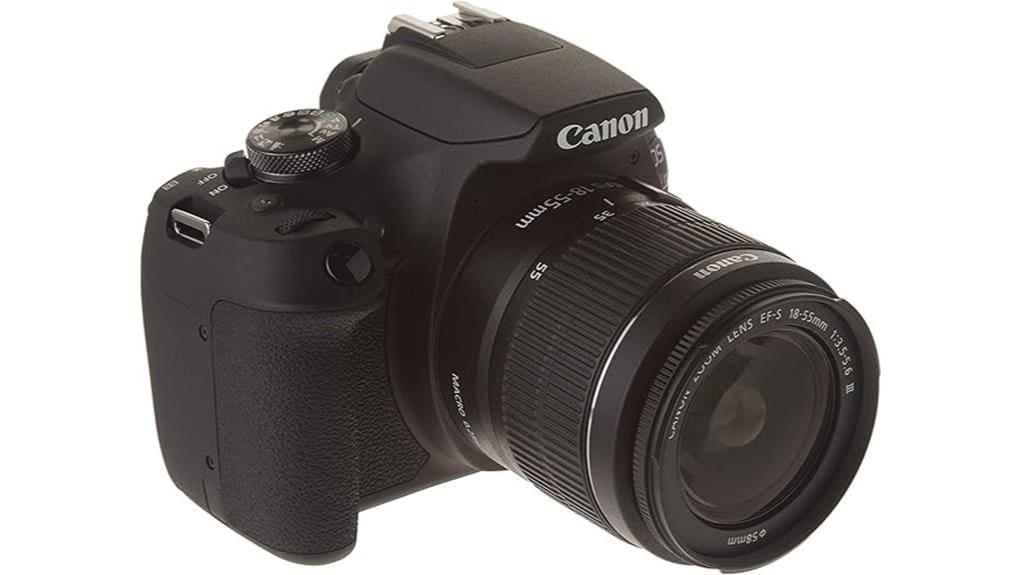

You’ll find the Canon EOS Rebel T7 with the 18–55mm DC III gives you a clear, budget-friendly DSLR upgrade from phones: a 24.1MP APS‑C sensor with 14‑bit RAW, useful dynamic range for the class, and EF/EF‑S lens compatibility for growth. The kit lens stabilizes handheld shots but softens wide-open and at tele ends; 9‑point viewfinder AF is reliable for stills while Live View and 1080p/30p video show slower contrast AF. Keep going to see detailed test notes and comparisons.
Some Key Takeaways
- Affordable entry-level DSLR with a 24.1MP APS‑C sensor that outperforms smartphones in image quality.
- Bundled EF‑S 18–55mm DC III stabilized kit lens offers useful focal range but softness at tele and wide apertures.
- JPEGs deliver pleasant colors and skin tones; RAW gives greater editing latitude for highlights and shadows.
- 9‑point viewfinder AF is reliable for stills; Live View AF is slower with noticeable hunting.
- Full HD 1080p/30fps video with visible AF hunting; use external mic and spare batteries for better vlogs.
Why the Canon EOS Rebel T7 18–55mm DC III Is a Smart Pick for Beginners
Because it balances capable hardware with straightforward controls, the Canon EOS Rebel T7 18–55mm DC III makes a smart entry-level choice for photographers who want measurable image-quality gains without a steep learning curve. You’ll appreciate the 24.1MP APS-C sensor’s detail retention and the bundled 18–55mm zoom’s optical stabilization for sharper handheld shots. Controls map logically, so you’ll learn composition and exposure fundamentals faster—easy learning that reduces trial-and-error. Compared to smartphone sensors and basic compacts, this setup delivers improved dynamic range and lens versatility at a price point suited to a first dedicated camera or a practical budget upgrade. It also benefits from a selection of compatible accessories ideal for mirrorless camera enthusiasts, including essential gear like camera bags, spare batteries, and protective filters.
Key Specs at a Glance: Sensor, Lens, Video, and Handling
While you’ll notice its consumer-friendly layout at a glance, the Rebel T7 packs technical bits that matter: a 24.1MP APS-C CMOS sensor (6000×4000, 14-bit RAW support) for high-detail stills, a bundled EF‑S 18–55mm DC III zoom with optical stabilization and a variable f/3.5–5.6 aperture for versatile everyday framing, and Full HD 1080p/30fps video with a 30‑minute recording cap—balanced by a modest 3 fps continuous burst and a 9‑point AF system that’s adequate for general use but limits fast-action tracking compared with more advanced rigs. You’ll appreciate straightforward handling: optical viewfinder feedback, a 3″ fixed LCD, and a compact DSLR body that’s roughly one pound. The menu layout is clear for beginners, though pros may miss customization depth. Expect decent battery life for casual shoots; intensive Live View or extended video reduces endurance noticeably. It’s a great fit for DSLR enthusiasts getting started with interchangeable-lens systems.
Real-World Image Quality: Photos, Low-Light, and RAW vs. JPEG
Having covered the T7’s hardware and handling, let’s look at what that 24.1MP APS‑C sensor and the stock 18–55mm stabilized zoom actually deliver in real shooting. You’ll find color rendering is neutral with pleasant skin tones straight from JPEGs; RAW gives more latitude. Dynamic range is reasonable for its class — recover midtones and highlights modestly, but shadow recovery is limited past two stops. At base ISO images are crisp; noise performance degrades predictably above ISO 800, with luminance grain and softened detail. The kit lens is sharp centerwise at 18–35mm, softening at tele and wide-open apertures. For those serious about color accuracy, consider using a calibration device like a monitor or camera target to ensure consistent color rendering across devices.
Autofocus, Continuous Shooting, and Performance in Live View
If you switch from the optical viewfinder to Live View you’ll notice the T7 relies on contrast-detection AF, which is slower and more hunt-prone than the dedicated 9-point phase-detect system used through the viewfinder; that means single-shot focus is reliable for stationary subjects but tracking fast movers or predicting motion will often lag, and continuous shooting tops out at a modest 3 fps regardless of AF mode. You’ll experience measurable autofocus hunting in Live View, especially with the 18–55mm’s variable aperture at longer focal lengths. Compare viewfinder AF for snappier locks; liveview responsiveness is adequate for stills but limited for action. Choosing the right tripod head can improve stability and composition when shooting in Live View, particularly for precise framing and longer exposures.
Video Capabilities and Vlogging Workflow With the 18–55mm Kit Lens
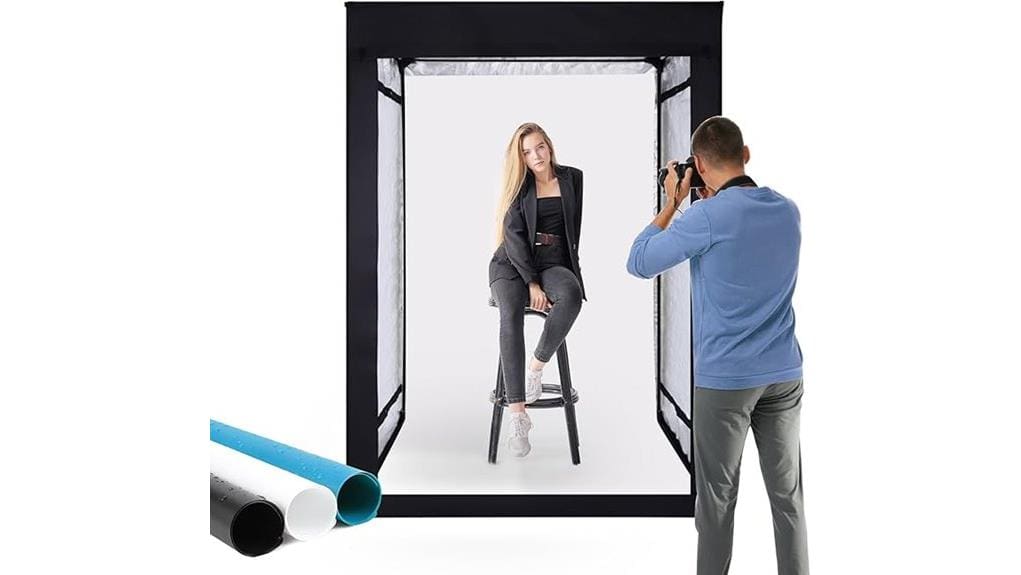
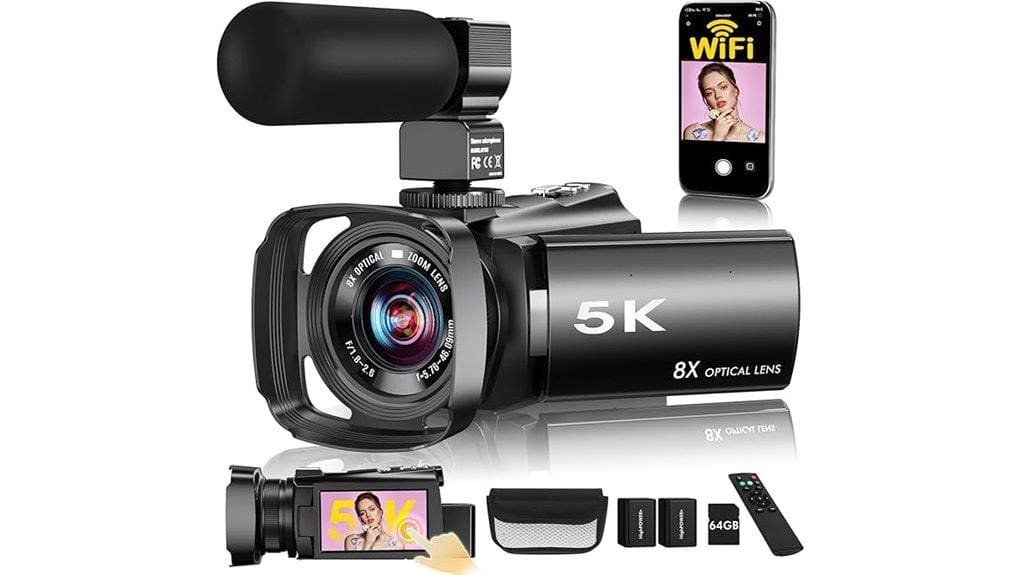
Those Live View AF limitations matter when you start shooting video: the T7 records Full HD 1080p at 30 fps and relies on contrast-detection AF, so you’ll see noticeable hunting and slower subject acquisition compared with viewfinder AF. You’ll pair the 18–55mm DC III for versatile focal reach; its variable f/3.5–5.6 and lens-based stabilization help handheld vlogging but depth-of-field control is limited. Use an external microphone via hotshoe/port for cleaner audio. For workflow, pre-set exposure, lock focus manually for interviews, and follow vlog framing tips—wide for establishing shots, mid for talking-heads, tighter for detail inserts. For product-focused vlogging, consider using a product photography box to get clean, consistent lighting and backgrounds.
Practical Shooting Tests: Portraits, Landscapes, and Travel Use Cases
Test the T7 across portraits, landscapes, and travel scenarios to see where its 24.1 MP APS‑C sensor, 9‑point AF and 18–55mm f/3.5–5.6 kit lens excel or fall short. You’ll notice tight headshots need longer focal length or wider aperture for creamy background separation; at 35–55mm and f/5.6 background rendering is serviceable but not dreamy. Landscapes benefit from full sensor resolution—detail at golden hour is strong with low ISO, though dynamic range is limited versus higher‑end bodies. For travel and street photography composition tips, the kit’s reach and gear minimalism favor quick framing, reliable autofocus, and compact kit portability. Pairing the kit with a sturdy tripod can improve sharpness and composition control in low light and landscape shooting.
Who Should (and Shouldn’t) Buy the Rebel T7 18–55mm DC III
Think of the Rebel T7 18–55mm DC III as a straightforward, no-frills DSLR that suits beginners and budget-minded photographers who want 24.1 MP detail, reliable 9‑point AF, and a competent 18–55mm kit zoom without spending on higher‑end bodies. You should buy it if you prioritize image quality over speed, need intuitive controls, and value accessory compatibility with EF/EF‑S lenses and common flashes. Don’t buy it if you need fast continuous shooting, advanced AF coverage, or professional video codecs. Consider battery longevity for long trips; pack spares if you’ll shoot extended Live View or full‑HD video sessions. The site also offers a range of compatible accessories and lenses ideal for enthusiasts looking to expand their kit, including recommendations for EF/EF‑S lenses.
Some Questions Answered
Does This Kit Include a Memory Card and Charger?
No, the kit doesn’t include a memory card, and it typically includes a battery but not a dedicated charger; you’ll use Canon’s compatible charger or a USB charging solution. You should plan for a compatible SD memory card (Class 10/UHS-I recommended) and verify charger compatibility with the LP-E10 battery. Comparatively, buying a reputable 32–64GB card and an official Canon charger guarantees reliable write speeds and safe charging performance for both stills and Full HD video.
Is the Battery Life Sufficient for Full-Day Shooting?
You’ll find battery endurance modest; it’ll often require spare batteries for a full-day shoot. The camera’s power management is basic—Live View and Wi‑Fi/NFC/continuous video drain power quickly—so compare rated shots per charge (manufacturer suggests ~500 with CIPA testing for similar DSLRs) to your usage. Bring two batteries or a portable charger if you’ll shoot extensively, use viewfinder over Live View, disable wireless when idle, and optimize sleep settings.
Can I Use Third-Party Lenses and Flashes With This Camera?
Yes — you can use third-party lenses and flashes; compatibility depends on mount and electronics. For lenses, Canon EF/EF-S mount accepts many third-party optics natively, though AF speed and metering may vary. With mount adapters you can fit other mounts (e.g., Nikon, Sony) but you’ll lose or limit autofocus and electronic aperture control. Third party flashes work via hotshoe, though TTL might be partial; check manufacturer notes for full Third party compatibility.
Are Firmware Updates User-Installable via USB or Wi‑Fi?
Yes — you can install firmware updates yourself, but you’ll handle firmware handling primarily via USB/SD transfer rather than direct Wi‑Fi installation. You’ll download update files from Canon (update sources), copy to an SD card or connect by USB to run the update in-camera. Compared to some models, T7 lacks over‑the‑air firmware install; Wi‑Fi is for file transfer/remote control, not native firmware flashing, so follow Canon’s precise instructions.
What Accessories Are Recommended for Vlogging Beginners?
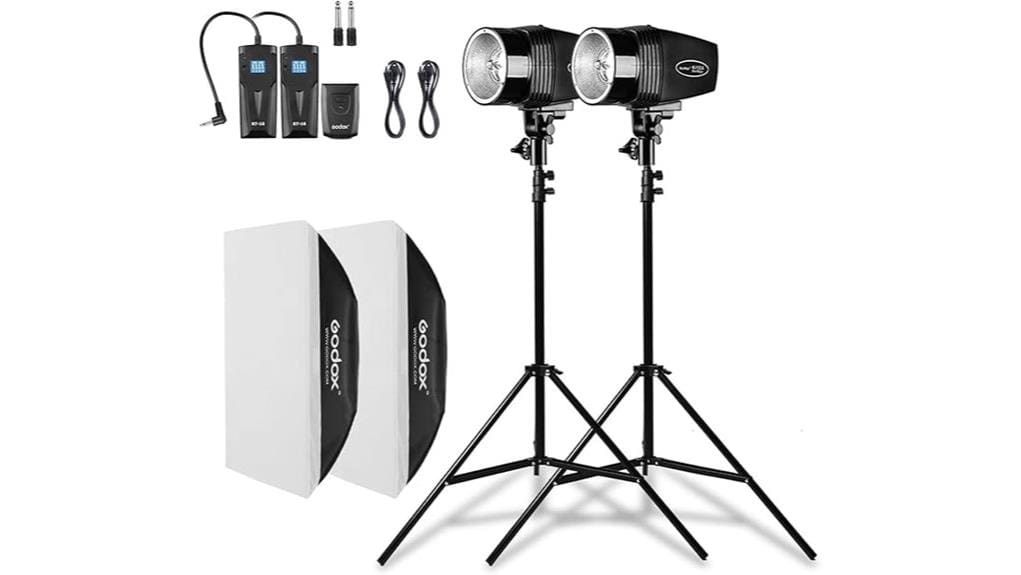
You should get an external microphone and a portable tripod first. Add a windscreen, spare batteries, and fast SD cards for uninterrupted takes. Compare shotgun versus lavalier mics for directionality; pick one matching your environment. Choose a lightweight, stable tripod with quick-release plate and adjustable height. Consider an LED light panel with adjustable color temp and a cold-shoe adapter to mount mic and light without stressing the camera body.