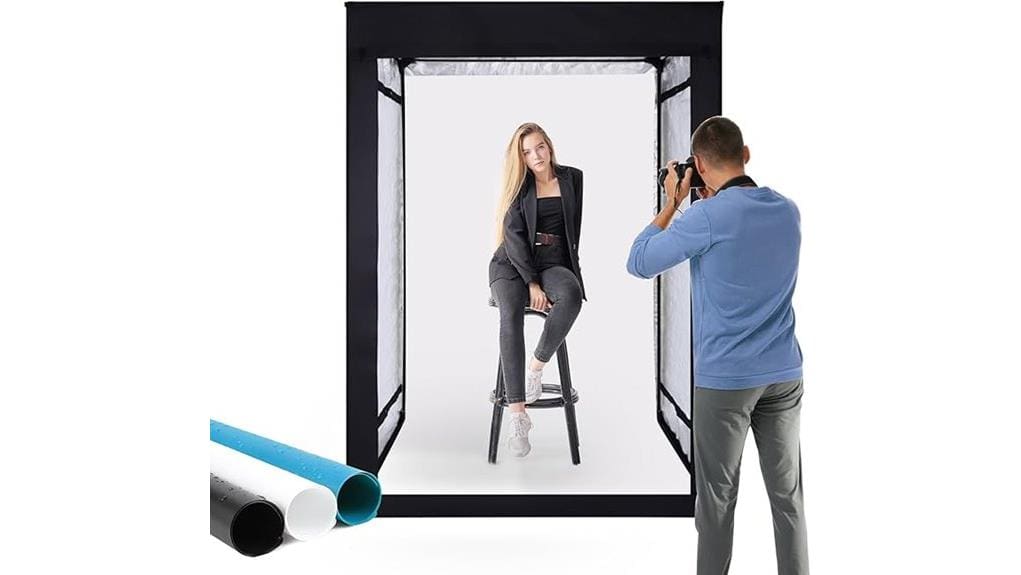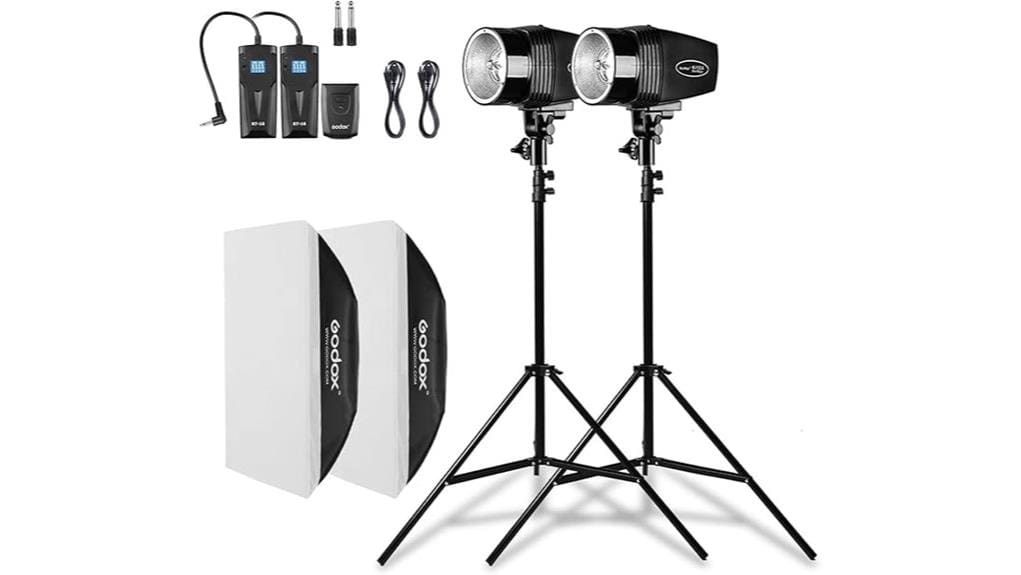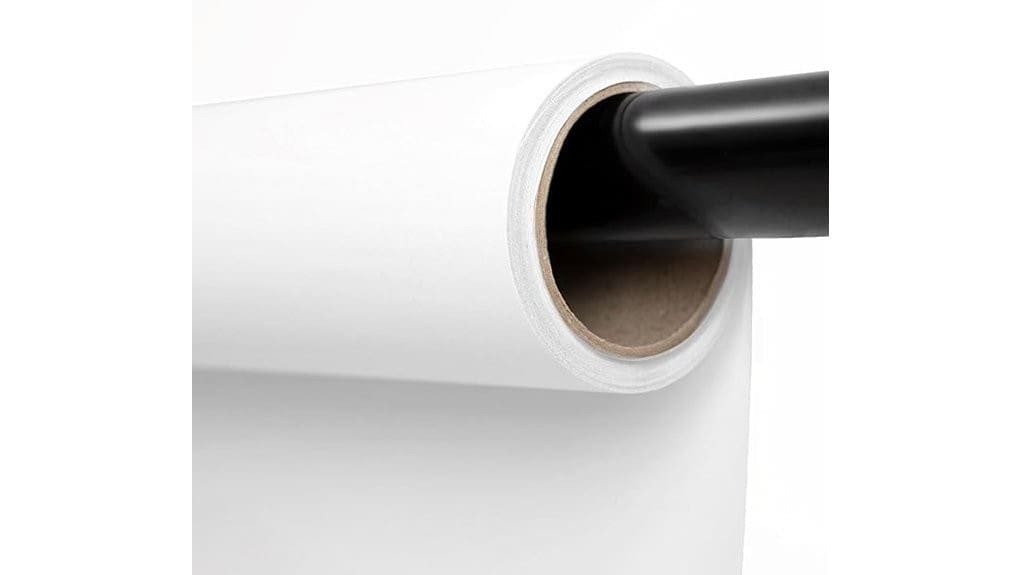
You’ll get a clean, slightly warm neutral that photographs consistently across cameras and beats typical 53″ budget rolls for headshots and full‑body work. Texture is minimal with a subtle matte finish and very low specular reflection, so glare and hotspots are reduced. It’s heavy stock—better tension control but not water resistant—and comes with a one‑year warranty. You may need small white‑balance tweaks; keep going to see setup, use cases, and alternatives.
Some Key Takeaways
- Arctic White is a clean, neutral white with slight warmth on some cameras, often needing minor white-balance or exposure tweaks.
- The 86″×32.8′ heavy stock offers low glare, subtle matte finish, and minimal visible texture for professional shoots.
- Excellent color consistency across the roll, but exact skin tones depend on camera profiles and lighting.
- Not water resistant; handle by the tube, store upright, and unroll/tape carefully to avoid creases.
- Strong performer versus 53″ budget rolls for framing and glare control, though costlier and not washable.
Quick Verdict: Is the Kate Arctic White Backdrop Worth Buying?
While not the cheapest option, the Kate Arctic White seamless paper backdrop delivers professional-looking, non-reflective coverage that suits photography, streaming, and events, and you’ll appreciate its industrial-grade color consistency and generous 86″ × 32.8′ length for both headshots and full-body shoots. You’ll find it a strong purchase recommendation when durability, roll size, and glare resistance matter. In comparative terms, it outperforms thin stock and budget rolls in consistency and handling, though it isn’t water resistant. For tight budget considerations, weigh occasional replacement costs against time saved in setup and color matching before you commit. Many photographers use seamless paper backdrops for studio photography because they provide a smooth, uniform background that simplifies post-processing.
How the Paper Looks on Camera: Color Accuracy, Texture, and Glare Tests
Because lighting and camera settings drive how backgrounds render, you’ll want to evaluate the Kate Arctic White under the same conditions you use for shoots: the paper presents a clean, neutral white that reads slightly warm on some cameras but stays consistent across the roll, with minimal visible texture and very low specular reflection due to its non-reflective, thick stock; compared to thin or glossy alternatives it markedly reduces hotspotting and color shifts, though you may still need to tweak white balance or exposure to match exact skin tones or product whites. You’ll find excellent color fidelity, low surface sheen, subtle matte texture, and predictable handling under varied lighting. This makes it a strong choice for photographers who prefer muslin and paper options and value consistency across shoots.
Practical Setup and Handling: Unrolling, Mounting, Cutting, and Storage Tips
When unrolling and mounting the Kate Arctic White seamless paper, handle the roll by its cardboard tube and work on a clean, flat surface to avoid creases or dirt transfer; you’ll find that unrolling slowly and taping the leading edge to a secure stand or clamp reduces curling and straightens the sheet quickly. You should use gentle smoothing with a clean microfiber to flatten minor waves, compare tension mounting vs. gravity-only hanging, and prefer clamps plus a crossbar for consistent tautness. For cutting, score with a sharp blade on a straightedge; store rolled on the original tube, upright in a dry area to prevent edge damage. Perfect Vinyl Backdrops offers a wide selection of vinyl backdrops suitable for many shooting styles.
Performance by Use Case: Photography, Streaming, Interviews, and Retail Displays
Although the Arctic White paper is designed for broad use, you’ll notice performance differences across photography, live streaming, interviews, and retail displays that affect setup and lighting choices. For photography, you’ll get even tone and low glare with directional softboxes; color accuracy depends on camera profiles. For streaming, thinner depth reduces shadows—position key and fill lights closer. For interviews, skin tones stay neutral under balanced three-point lighting; watch for creases catching highlights. In retail displays, the matte finish highlights products but needs stronger front lighting to avoid flatness. Mounting choices and adhesive options influence wrinkle control and long-term stability. Many buyers also consider collapsible backdrops for portability and easy storage.
Value Checklist: Size, Durability, Care, Warranty, and When to Choose Alternatives
If you need a large, budget-friendly backdrop that delivers consistent matte coverage, the Kate Arctic White hits key practical marks: its 86″ width and 32.8′ length suit full-body and multi-subject shoots, the heavy paper resists glare better than thin rolls, and the included cardboard tube keeps it flat during storage. For size comparison, it outpaces common 53″ studio rolls, giving more framing flexibility. Durability is good for single- to moderate-use pro shoots but it’s not water resistant; handle and store rolled. Care follows manufacturer guidance—avoid moisture; warranty details list a one-year manufacturer warranty; choose vinyl or muslin if you need washability or longevity. The site specializes in selling photo backdrop products and accessories, making it a convenient place to shop for backdrops and related gear.
Some Questions Answered
Does the Paper Emit Any Odor When Unrolled?
You generally won’t notice strong chemical smells when you unroll it; any light paper scent is minimal compared with cheaper backdrops. You’ll detect faint off gassing concerns only rarely, usually right after unboxing in a confined space. Compared to vinyl or painted backdrops, the paper’s odor dissipates faster. You should unroll it in a ventilated area and let it air out for a few hours to be safe and reduce any lingering scent.
Is the Backdrop Recyclable or Eco-Friendly?
The backdrop isn’t marketed as fully recyclable or specially eco-friendly; it’s standard seamless paper that may contain recycled fibers but lacks explicit certification. You’ll find it’s disposable compared with fabric or vinyl alternatives, so your carbon footprint can be higher if you replace it often. Compared to reusable backdrops, it’s less sustainable; compared to single-use printed options, it may be marginally better if recycled fibers are present. Check manufacturer details.
Can I Print Custom Patterns on This Paper?
Yes — you can do custom printing, but expect limits. You’ll find the thick, non-reflective paper accepts ink well for vivid, accurate colors; pattern adhesion is generally good for industrial printers using solvent or pigment inks. Compared to fabric backdrops, paper shows crisper edges but’s less durable and not water resistant, so avoid heavy ink saturation or washing. Test small samples and consult your printer for ideal ink type and drying settings.
Is Lighting Required to Avoid Visible Seams?
No, lighting isn’t strictly required to hide seams, but you’ll need careful studio lighting or soft, diffused light to minimize visible joins. You’ll get fewer natural shadows and smoother shifts with even, broad illumination compared to direct or uneven light. Compare overhead softboxes or large umbrellas versus single harsh sources: the former flattens seams and reduces texture, while the latter accentuates edges, creating visible seams and distracting shadows.
Does It Come With a Support Stand or Clamps?
No, it doesn’t include a support stand or clamps. You’ll need to provide your own rigging for seamless installation; the backdrop ships rolled on a sturdy cardboard tube but no hardware. Compared to kits that bundle stands, this option emphasizes material durability and color consistency over accessories. If you want an all-in-one solution, buy a separate backdrop stand and clamps—those give better tension control and longer-term handling than relying on improvised mounts.