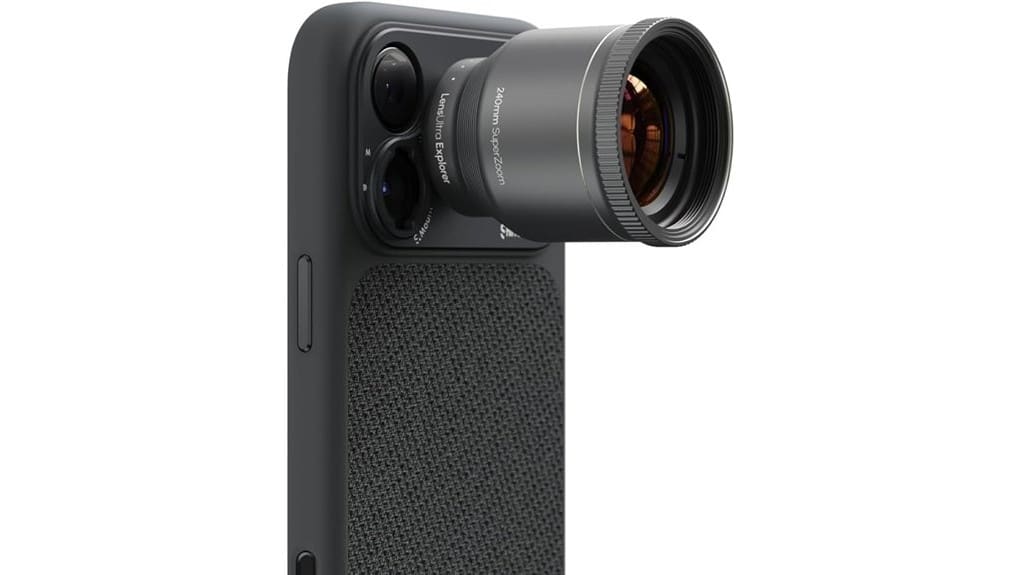
You get true long‑range reach in a 109 g optic that pairs with your phone’s telephoto to replace bulky 1.5–3 kg glass, trading stabilization and weather sealing for portability and optical quality. Image detail, center‑to‑edge contrast and reduced chromatic aberration are strong thanks to fluorite elements; autofocus is reliable for stills but can hunt in low light. Mounting alignment and phone compatibility are critical, and a tripod often helps — continue for setup, handling and alternatives.
Some Key Takeaways
- Provides true long-range telephoto reach without the 1.5–3 kg weight of traditional glass, ideal for travel and discreet shooting.
- Optical design uses fluorite elements for sharp detail, strong center-to-edge contrast, and reduced chromatic aberration.
- No optical image stabilization; relies on phone stabilization, faster shutters, or tripod for steady results.
- Mounts via ShiftCam case or universal S‑Mount; precise alignment is critical to avoid vignetting and soft edges.
- Lightweight at 109 g with solid aluminum build, but lacks weather sealing and includes a one‑year manufacturer warranty.
Quick Verdict: Who Should Buy the ShiftCam LensUltra 240mm
If you need true long-range reach without hauling 1.5–3 kg of glass, the ShiftCam LensUltra 240mm is a compact, technical solution that pairs with your phone’s telephoto hardware to deliver optical 240 mm-equivalent framing and natural telephoto compression. You’ll find it suited to travelers, birders, and event shooters who prioritize portability over pro-body ergonomics. Compared with heavy primes, it trades stabilization and weather sealing for weight savings (109 g) and easy mounting. Use it when ethical distance, wildlife ethics, or creative storytelling matter; avoid it if you require rugged, stabilized, all-weather professional optics for intensive fieldwork. It’s especially appealing to photographers who want to capture tiny worlds using macro phone lens accessories without carrying a full camera kit.
How the 240mm Optic Performs in Real Use (Image Quality, Autofocus, Stabilization)
Although compact and lightweight, the LensUltra 240mm delivers noticeably crisp telephoto images that preserve fine detail and natural compression without the artificial softness you often see from heavy digital crops. You’ll notice superior detail rendition across the frame, especially center-to-edge contrast aided by fluorite elements that reduce chromatic aberration and color fringing. Autofocus reliability is good for static and moderately moving subjects when paired with the phone’s tele module, though hunting can occur in low light. There’s no optical image stabilization in the lens, so you’ll rely on your phone’s stabilization and faster shutter speeds for sharp handheld results. This accessory is ideal for photographers who want to elevate mobile photography with better lenses and enhance their telephoto capabilities through smartphone camera lenses.
Setup and Compatibility: Mounting, Phone Models, Apps, and Shooting Tips
When you mount the LensUltra 240mm over your phone’s tele module using the ShiftCam case or S‑Mount, alignment and app selection determine how close you get to true optical performance. You should verify mount alignment carefully: misregistration yields vignetting or soft edges. Compatible models include iPhone 17 Pro, 16, 15 and many Androids via the case or universal mount; pairing with a native 5x periscope maximizes reach. Use pro apps (Halide, FiLMiC Pro, Blackmagic) that allow tele selection, and grant app permissions for camera and storage. Shoot with fast shutter equivalents and tripod support when stabilization is absent. Many mirrorless camera enthusiasts also carry essential accessories like extra batteries and lens cleaning kits to ensure uninterrupted shooting and optimal lens care, emphasizing essential gear.
Portability, Build, and Day‑to‑Day Usability (Weight, Handling, Weather Limits)
Having confirmed alignment and app setup for peak optical reach, you’ll next assess how the LensUltra 240mm fits into real‑world carry and use. At 109 g, it enables lightweight carry compared with 1.5–3 kg telephoto glass, so you’ll notice minimal neck or bag strain and faster deployment. The aluminum barrel and fluorite elements feel solid; handling is balanced when mounted to a ShiftCam case but you’ll need a steady grip due to absent stabilization. For fieldwork, pack a small tripod or brace. It’s not water resistant, so apply weather precautions—rain covers and sealed pockets—during exposed shoots. Consider pairing it with a floating strap for safer water-adjacent shooting.
Value and Alternatives: Price, Warranty, Return Policy, and Comparable Lenses
Because the LensUltra 240mm delivers true optical reach at just 109 g, you’ll find its value hinges on price versus convenience: it replaces bulky 1.5–3 kg telephotos for travel and casual fieldwork but lacks stabilization and weather sealing, so assess whether savings in weight justify added handling constraints. You’ll run a straightforward price comparison against small tele adapters and compact superzooms; factor optics quality, weight, and phone compatibility. Check warranty details (1 year manufacturer) and retailer return policy (30 days) before buying. Consider alternative lenses from Moment, Sirui, and Olympus compact tele options for stabilized, weather‑sealed performance. This site focuses on expanding phone photography with wide-angle lenses and related gear to help photographers choose the right accessories.
Some Questions Answered
Does the Lens Support Smartphone Flash or External Lighting Setups?
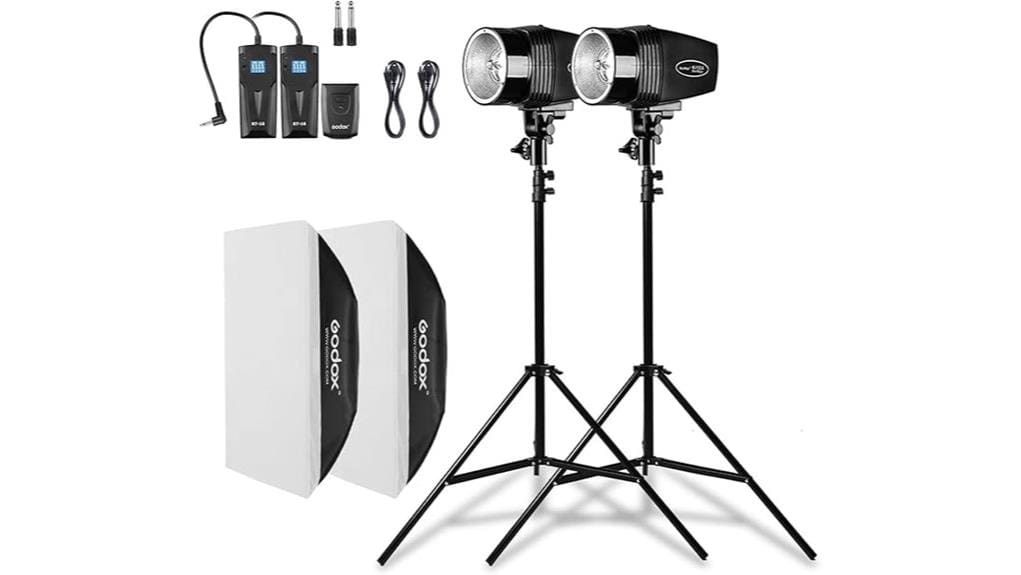
Yes — the lens itself neither blocks nor integrates with phone flash, so you can use the phone’s flash; however, because the LensUltra sits over the tele camera you’ll typically rely on ambient or off‑camera light. You can employ external lighting and lighting modifiers (softboxes, grids, reflectors) off‑axis for better illumination. Compared to integrated flashes, external setups give more control, reduced vignetting risk, and more consistent exposure at 240mm.
Can I Mount the Lensultra on Phone Gimbals or Stabilizers?
Yes — you can mount the LensUltra on many phone gimbals, but you’ll need to manage Balance considerations and use proper Mount adapters. You’ll attach the lens via a ShiftCam case or universal mount, then counterbalance weight on the gimbal to avoid motor strain. Compared to native phone setups, expect altered center of gravity and reduced run‑time; test tilt/pan limits and confirm your gimbal supports the additional 109 g payload.
Are There Recommended Cleaning Methods for the Fluorite Elements?
Yes — you should clean fluorite elements gently and sparingly. For lens care, use a blower, soft camel‑hair brush, and microfiber cloth with minimal lens cleaner; avoid household solvents. Compare dry to wet methods: dry first, wet only for smudges. For troubleshooting safe storage, keep silica packs, caps, and a padded case to prevent fungus and scratches. Handling tips: hold by barrel, avoid touching glass, and store upright in a dry place.
Does the Lens Affect Phone Camera Software Updates or Compatibility Long-Term?
No, the lens itself won’t cause software compatibility or update interference on your phone. You’ll mount it optically; the phone’s firmware and camera app remain responsible for autofocus, exposure, and updates. That said, third‑party mounts/cases or app workflows (Halide, FiLMiC Pro) might need updates to recognize tele lens modes. Compare phones: newer models tolerate external optics better; older OS versions may require manual app settings after updates.
Is There an Adapter for Mirrorless or DSLR Use With the Lensultra?
No — there isn’t a native adapter for mirrorless or DSLR use. You’ll need adapters compatibility via third‑party optical rigs or custom mounts; mount options are limited to ShiftCam Phone Case or S‑Mount for phones. Compared to true mirrorless/DSLR tele adapters, these workarounds add complexity, potential alignment and focus issues, and lack stabilization. If you require direct lens-to‑camera integration, investing in dedicated mirrorless/DSLR glass is technically preferable.