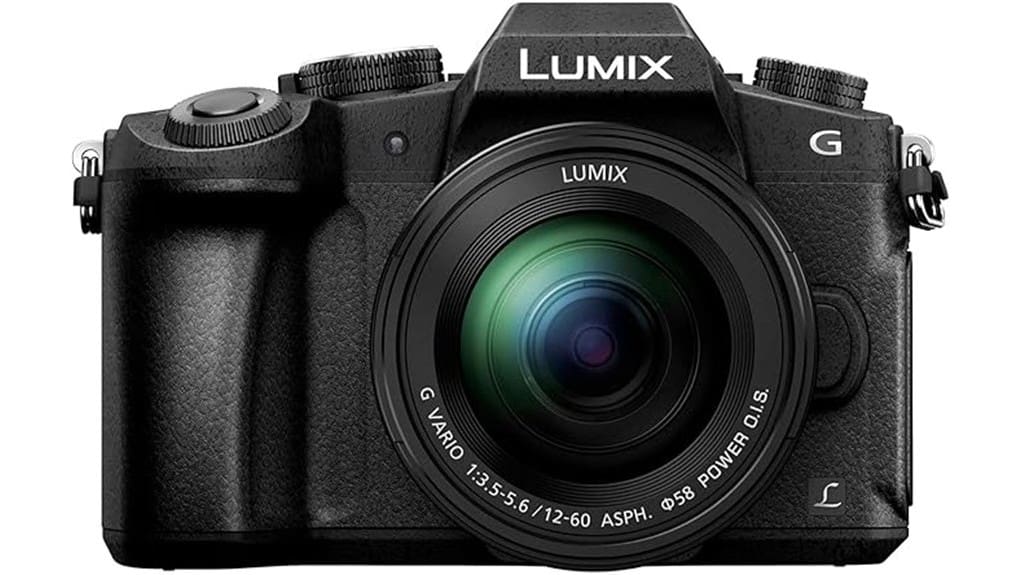
You’ll find the LUMIX G85 is a compact, weather‑sealed 4K mirrorless that gives you steady handheld footage and sharper stills thanks to 5‑axis in‑body stabilization and a 16MP sensor without a low‑pass filter. Colors and skin tones are reliable straight from camera, dynamic range is usable, and the 12–60mm kit is versatile for travel and vlogging. Controls, OLED viewfinder and tilt touchscreen are thoughtfully placed, and below you can learn how it performs across real shooting scenarios.
Some Key Takeaways
- 16MP Micro Four Thirds sensor with no low-pass filter delivers crisp detail and good color straight from camera.
- In-body 5-axis stabilization plus lens O.I.S. enables steady handheld stills, timelapses, and smoother 4K video.
- 4K recording is clean with usable handheld performance, though heavy stabilization incurs a slight crop and minor rolling-shutter skew.
- Compact, weather-sealed body with OLED viewfinder, tilting touchscreen, and intuitive controls suits travel and vlogging.
- Kit 12–60mm lens is versatile for everyday use; add a fast prime or telephoto for low light and reach.
What the LUMIX G85 Offers at a Glance
Get a capable, compact mirrorless kit that balances image quality, stabilization and 4K features without the bulk of a DSLR. You’ll get a 16MP Micro Four Thirds body with robust in-body 5-axis stabilization and a versatile 12–60mm O.I.S. lens, letting you shoot steady handheld stills and 4K video. The camera’s weather sealing expands usable conditions; battery life is respectable for its class but merits spare cells on long outings. Controls, an OLED viewfinder and tilting touchscreen keep operation efficient. Overall, you’ll have a well-rounded tool for travel, run-and-gun video and everyday photography. This setup is ideal for mirrorless camera enthusiasts looking for essential gear like compact stabilised kits to carry on shoots.
How the 16MP Sensor, No‑Low‑Pass Filter, and Color Controls Perform
Although it’s a modest 16MP Micro Four Thirds chip, the G85’s sensor punches above its weight: removing the low‑pass filter yields roughly a 10% gain in fine-detail resolving power, which you’ll notice in textures and small patterns without having to push ISO or apply heavy sharpening. You’ll get crisp rendering from well-corrected lenses and usable microcontrast. Dynamic range is competent for the class — recoverable highlights and midtone separation hold up through moderate exposure adjustments. Color fidelity is strong straight from the camera; white balance and the 2500–10000K adjustable range let you fine-tune skin tones and scenes precisely. The camera also fits well into the broader gear guide for enthusiast photographers and camera fans on our site.
Stabilization, Low‑Light, and 4K Video: Real‑World Shooting Tests
Having seen how the sensor and color controls deliver detail and accurate tones, let’s look at how the G85 handles stabilization, low‑light shooting, and 4K capture in real conditions. You’ll notice the 5‑axis dual IS delivers markedly steadier handheld footage and clearer low‑light stills, letting slower shutter speeds without blur. In 4K recording stabilization keeps pans smooth, though you should watch for slight crop during heavy compensation. Rolling shutter is controlled but not eliminated—fast panning shows modest skew. Try a handheld timelapse: results are impressively stable, with usable 4K output for run‑and‑gun projects and night scenes. For many shooters, pairing the G85 with a compatible tripod head improves composition and long‑exposure stability.
Handling, Viewfinder, and Controls for Still and Video Work
Reach for the G85 and you’ll notice its compact, balanced grip and light weight make extended handheld shooting less fatiguing than with typical DSLRs, while the thoughtfully placed dials and customizable function buttons let you tailor controls quickly for both stills and video. You’ll appreciate the ergonomic layout: mode, exposure and rear dials are intuitive under thumb and index finger. The OLED viewfinder is clear and lag-free; the tilting touch-enabled LCD adds framing flexibility. Touch responsiveness is good for focus and menu shortcuts. Menu ergonomics are sensible, with logical grouping and quick access to video-specific settings. This kind of setup is ideal for photographers looking to improve technique through better camera grip and control.
Who Should Buy the G85 and Which Lens Kit to Choose
If you’re after a versatile, lightweight mirrorless that handles both photo and video well, the G85 is a strong choice—its compact body, 5-axis in-body stabilization and 4K tools make it ideal for travel shooters, vloggers, and hybrid creators who need reliable handheld performance without the bulk of a DSLR. You should buy the G85 if you’re a beginner photographer who wants growth potential or a travel vlogger needing steady 4K footage. The 12–60mm Power O.I.S. kit lens covers most situations; pair with a fast prime for low light or a tele for wildlife and reach. Perfect tripods help maximize the stability benefits of the G85 when shooting handheld or on location with lightweight gear.
Some Questions Answered
Does the G85 Have Built‑In Wireless Flash Triggering?
No — the G85 doesn’t have built‑in wireless flash triggering. You’ll need external triggers or wireless sync solutions via the hot shoe or PC terminal. You can mount a transmitter on the shoe to control off‑camera speedlites or use flashes with their own wireless sync systems. That approach preserves the camera’s 5‑axis stabilization and 4K features while giving you flexible lighting control for handheld or tripod work in diverse shooting conditions.
What Is the Battery Life in Continuous 4K Recording?
You’ll get roughly 30–40 minutes of continuous 4K recording per battery (around 1–1.5 hours effective shooting with stops). Battery drain accelerates if you use LCD, image stabilization, or autofocus continuously. Heat management also limits long takes: the camera may stop or reduce performance to cool down during extended 4K clips. Carry spare batteries and consider external power or cooled intervals to avoid shutdowns and maintain recording consistency.
Is There Weather Sealing on the Lens Mount and Body?
Yes — the body features weather sealing and dust resistance around key joints and the lens mount, so you can shoot in light rain and dusty conditions with confidence. You shouldn’t treat it as fully waterproof, though; avoid heavy downpours and submersion. Also use weather-resistant lenses and keep mounts clean to maintain the seals’ effectiveness. Regular maintenance will preserve long-term dust resistance and reliable performance.
Can the Camera Charge via USB While Shooting?
Yes — you can power the camera via USB power, but you can’t reliably shoot and charge simultaneously from the internal battery. You’ll be able to operate the camera while connected to USB power for downloads or extended monitoring, yet continuous high-drain tasks like 4K recording may still deplete battery. For dependable extended shooting, use external chargers and spare batteries or an AC adapter/USB power bank rated for sustained output to avoid interruptions.
Are Custom Picture Profiles or Log Modes Available?
No, you won’t get true log recording, but you can use Custom Profiles and Film Simulation-like presets to shape color and contrast. You’ll find picture styles you can tweak (contrast, sharpness, saturation, white balance) and save as Custom Profiles for consistent looks. That gives flexible grading headroom compared with straight-out-of-camera JPEGs, but it’s not the same as a dedicated flat/log profile for maximum dynamic-range post work.